Smart Hotel Tips for Optimum Guest Experience and Efficiency?
In the rapidly evolving hospitality industry, the concept of Smart Hotels has gained significant attention. Experts agree that technology plays a crucial role in enhancing the guest experience. Robert O’Leary, a noted authority in hotel management, once said, “Embracing smart technology is not just an option; it’s a necessity for modern hospitality.” This statement underscores the urgency of adopting innovative solutions in hotels.
Smart Hotels integrate various technologies to improve efficiency and guest satisfaction. From automated check-ins to personalized services, these advancements aim to create a seamless experience. However, the implementation of such technology is not straightforward. Many hotels face challenges in adopting smart solutions while ensuring staff and guest comfort. Striking a balance between high-tech features and human interaction remains a pressing concern.
Moreover, guest feedback often highlights the importance of user-friendly tech. Guests appreciate conveniences but value personal service too. A well-designed Smart Hotel should consider these insights to avoid overcomplicating the experience. Ultimately, the goal of a Smart Hotel should be to enhance comfort, rather than detract from it, ensuring that every guest feels valued and cared for.
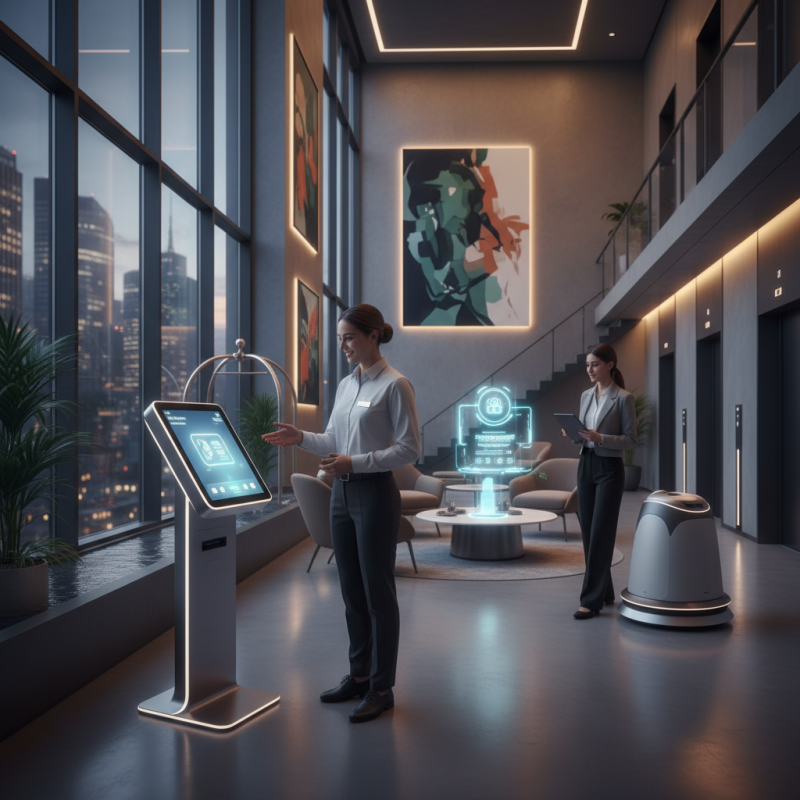
Understanding the Concept of Smart Hotels and Their Benefits
The concept of smart hotels revolves around technology integration to enhance guest experiences and operational efficiency. These hotels utilize advanced systems for booking, room automation, and personalized services. For example, keyless entry allows guests to unlock their rooms with their smartphones. This not only streamlines check-in but enhances security, providing peace of mind.
Smart hotels offer many benefits, including energy management. Intelligent systems can adjust lighting and heating based on occupancy. This reduces energy costs while maintaining comfort. However, there's a challenge. Some guests may find technology overwhelming. They may prefer traditional interactions over apps. Balancing automation with personal service is crucial.
Moreover, data collection is another integral feature of smart hotels. It helps tailor individual experiences based on preferences. Yet, privacy concerns loom large. Guests must feel their personal information is protected. Finding the right balance between convenience and security is an ongoing dialogue in the industry. Smart hotels strive to improve continuously, learning from both successes and setbacks.
Key Technologies Enhancing Guest Experience in Smart Hotels
Smart hotels are transforming the guest experience with innovative technologies. Voice-activated assistants, for example, allow guests to control room settings. From lighting to temperature, convenience is at their fingertips. These features create a personalized atmosphere, enhancing comfort and satisfaction.
Mobile apps are another game-changer. Guests can check-in, access their rooms, and request services directly through their smartphones. This reduces waiting time and streamlines the overall experience. However, not all guests may find mobile technology intuitive. Some may struggle with app navigation, highlighting the need for user-friendly designs.
Additionally, smart hotels utilize IoT devices for seamless operations. Sensors monitor occupancy, adjusting energy usage. While this is efficient, maintaining a balance between automation and personal touch is essential. Too much reliance on technology could alienate guests seeking human interaction. Finding that sweet spot remains a challenge for many properties.
Smart Hotel Technologies Impact on Guest Experience
Strategies for Streamlining Operations and Efficiency in Hospitality
Streamlining operations in hospitality can greatly enhance guest experiences. Implementing smart technology is crucial. Self-check-in kiosks reduce wait times, which guests appreciate for the speed and efficiency. Digital concierge services provide instant answers to queries. Staff can focus on personalized service rather than administrative tasks.
Data analytics play a key role in improving operations. Hotels can analyze guest preferences and behaviors, allowing for tailored promotions and services. Smart energy management systems reduce costs, ensuring guests enjoy comfortable environments without overuse of resources. Regular training for staff on new technologies keeps everyone updated.
However, there are challenges in implementing these solutions. Not all guests are tech-savvy, which can lead to confusion. Regular feedback is essential to identify areas of improvement. Balancing technology and human touch is crucial. Every hotel must find its unique approach to blend efficiency with genuine hospitality.
Personalization Techniques for Tailoring Services to Individual Guests
In today’s competitive hospitality industry, personalization is key. Guests yearn for experiences tailored to their preferences. Smart hotels can utilize data analytics to understand these preferences better. For instance, tracking past stays can reveal insights about a guest’s favorite room setup or dining habits. Using this information, hotels can anticipate needs before guests even arrive.
Implementing personalization techniques can enhance guests’ overall experience. Customized welcome messages can make them feel valued. Additionally, hotels can offer personalized amenities, such as preferred snacks or toiletries. However, the challenge lies in not overwhelming guests with options. Clear communication is needed. Sometimes, less is more. Offering a few thoughtful choices may result in a more satisfying experience.
Yet, there’s room for improvement. Many hotels struggle to strike the right balance between personalization and privacy. Guests appreciate tailored services but may feel uncomfortable with excessive data collection. Regularly seeking feedback helps in refining these practices. Ultimately, the goal is to make guests feel at home, not monitored. Consider experimenting and tweaking the approach based on guest reactions. This leads to a constantly improving experience that keeps guests coming back.
Sustainable Practices in Smart Hotels for Eco-Friendly Experiences
Sustainable practices in smart hotels can significantly enhance the guest experience. These hotels often incorporate energy-saving technologies. For instance, smart thermostats adjust temperatures based on occupancy. This not only saves energy but also keeps guests comfortable. Installing low-flow showerheads and faucets reduces water usage without sacrificing performance.
Furthermore, smart hotels are increasingly adopting eco-friendly materials throughout their operations. Organic linens and sustainably sourced furniture contribute to a healthier environment. Even the food served can be locally sourced to minimize carbon footprints. Integrating recycling programs and waste management systems reflects a commitment to sustainability. Guests appreciate such efforts, but not all hotels implement these practices effectively.
Challenges exist in fully achieving sustainability. Some hotels struggle with balancing high-tech solutions and eco-friendly principles. It requires continuous assessment and adaptation. Regular feedback from guests can highlight areas needing improvement. Prioritizing transparency can build trust and show genuine commitment to sustainability.