How to Choose the Best Chenille Material for Your Projects?
Choosing the right Chenille Material can greatly impact your projects. This textile is known for its soft texture and versatility. However, with so many options available, it can be overwhelming to find the best fit.
Consider the purpose of your project. Are you making a cozy blanket or decorative pillows? Different Chenille Materials offer unique qualities. Some may be plush and luxurious, while others are more durable. Reflect on how the material will behave over time. Will it retain its softness after washes? Gathering insights from experienced crafters can be invaluable.
Quality matters in Chenille Material. Look for trusted brands or suppliers. Check reviews and ask for samples if possible. Not all Chenille feels the same, and you might need to explore a few before making a decision. Embracing trial and error is part of the creative process.
Understanding Chenille: Definition and Characteristics of the Material
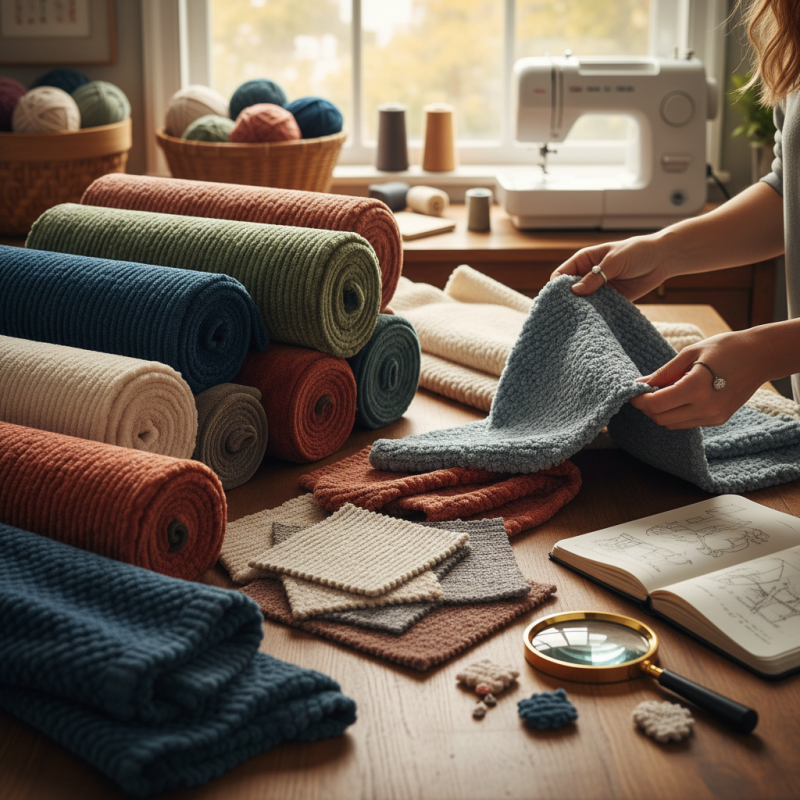
Chenille is a unique fabric known for its fuzzy texture. It is made from velvety yarn, which creates a soft, plush feel. This material is often used in a variety of projects, including quilts, pillow covers, and sweaters. Its rich texture provides comfort while also offering a visually appealing aesthetic.
When choosing chenille, consider its weight and thickness. Softer options are ideal for delicate projects like baby blankets. Heavier chenille is great for upholstery or durable items. Each weight offers different draping qualities, crucial for your project’s design and functionality.
**Tips:** Test a small piece of the fabric before committing. Sometimes, a vibrant color may fade over time. Additionally, think about the intended use. Is the chenille for decor or everyday items? This will influence your decision too. Remember, choosing the right material can enhance your project significantly. Make sure to weigh aesthetics against functionality to avoid disappointments later.
How to Choose the Best Chenille Material for Your Projects?
| Characteristic | Description | Best Use Cases |
| Texture | Soft and plush with a fuzzy feel | Blankets, stuffed animals |
| Durability | Resistant to wear, but can snag | Home decor, upholstery |
| Care Instructions | Machine washable on gentle cycle | Garments, quilts |
| Weight | Available in lightweight to heavyweight options | Seasonal clothing, layered projects |
| Color Variety | Wide range of vibrant colors | Craft projects, fashion items |
| Cost | Moderately priced, depending on quality | Budget-friendly crafting, DIY projects |
Types of Chenille Fabrics: An Overview of Common Varieties and Their Uses
When choosing chenille fabric, understanding the types available is crucial. Chenille comes in various forms, each with unique characteristics. Cotton chenille is soft and absorbent, making it ideal for quilts and baby items. Its durability ensures it withstands frequent washes.
Another popular option is polyester chenille. It offers a plush feel while being resistant to fading. This makes it suitable for home décor, such as throw pillows and blankets. However, some users find it less breathable compared to cotton.
Bamboo chenille is gaining popularity as an eco-friendly choice. It is not only soft but also has natural antibacterial properties. This type is great for clothing and upholstery. Yet, it may not be as widely available as cotton or polyester options. When selecting your material, consider these variations and how they fit your project needs.
Evaluating Chenille Quality: Key Factors to Consider for Your Projects
When evaluating the quality of chenille materials for your projects, several key factors come into play. Texture is essential; high-quality chenille should feel soft and plush. Check for evenness in the pile, as inconsistencies can impact the overall appearance. Pay attention to the thickness of the yarn; thicker yarn often translates to better durability.
Color fastness is another important consideration. Look for materials that maintain their color after washing. This ensures your finished projects will look vibrant and last over time. You might want to test a small swatch first. Additionally, consider the weave integrity. Loose threads or fraying edges indicate poor quality.
Moreover, it’s wise to reflect on the project's intended use. Some chenille is better suited for home décor, while others might be ideal for garment-making. Think about wear and tear; this will help you choose a material that meets your needs. Don’t underestimate the importance of sourcing from reputable suppliers. Good sources often provide details about their manufacturing processes, enhancing reliability.
Sustainability in Chenille Production: Impact on Environment and Fabric Choice
Sustainability in chenille production is crucial for minimizing environmental impact. Traditional methods often rely on chemical dyes and non-renewable resources, contributing to pollution. Eco-friendly alternatives exist, like organic cotton and recycled fibers. Choosing these materials can reduce your ecological footprint.
When selecting chenille, consider the sourcing of the fibers. Local production often means lower transportation emissions. The dyeing process also matters; natural dyes are less harmful to the environment. However, they may not offer the same vibrant colors.
Reflect on the lifespan of your projects. Durable fabrics reduce waste, but they can be harder to find. Opt for chenille that combines softness and strength. Every choice shapes the future of sustainable fashion. Seeking balance is key.
Comparative Analysis of Chenille Material Sustainability Factors
Cost Analysis of Chenille: Comparing Pricing Across Different Suppliers and Brands
When selecting chenille materials, understanding pricing is essential. Data from industry reports indicates that there is a significant price variance among suppliers. The cost of chenille can range from $5 to $25 per yard, heavily influenced by the brand, quality, and production methods. Low-cost options may save money upfront, but they often compromise on durability and texture. This trade-off can lead to unexpected regrets when the material fails to perform in the long term.
Recent surveys show that over 60% of consumers value quality over price when it comes to textile selection. Many crafters report that investing in higher-quality chenille resulted in better project outcomes. For instance, projects made with premium chenille maintain their shape and texture after repeated washing. On the other hand, budget-friendly choices often fray or lose their plushness.
It's crucial to scrutinize supplier practices as well. Ethical sourcing might increase costs but can enhance the quality of products. Many consumers are willing to pay more for responsibly produced materials. This reflects a growing awareness within the crafting community, emphasizing the significance of quality over sheer affordability. Balancing cost and quality requires careful consideration, as it can significantly impact the success of your projects.